
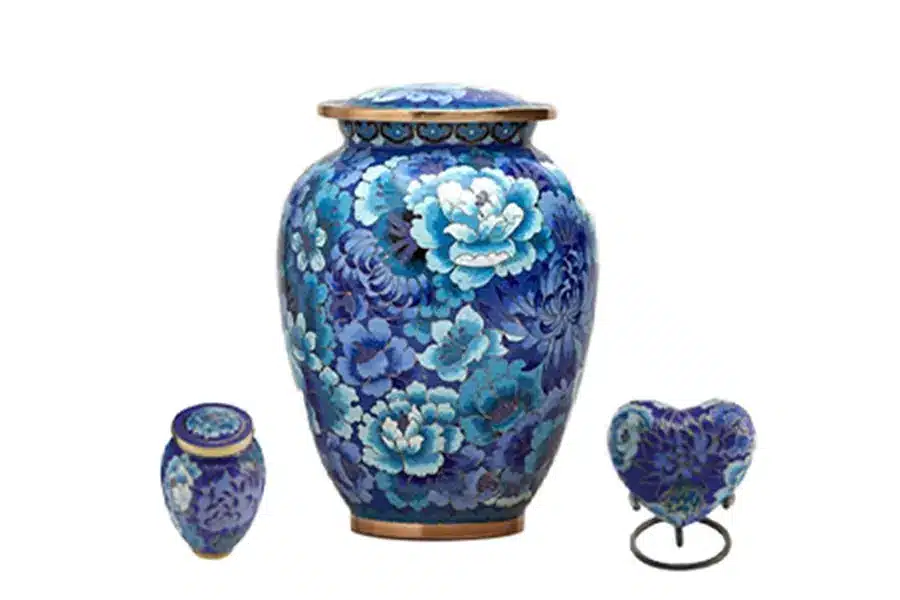
Families searching for cremation memorial options often discover there are many different types of urns available. One of the most important distinctions to understand is the difference between display urns and burial urns. While both are designed to respectfully hold cremated remains, they serve very different purposes in terms of appearance, durability, placement, and long-term preservation. Understanding these differences can help make the memorial selection process less overwhelming. Whether you are planning ahead, honoring a loved one after cremation, or coordinating with a cemetery or mausoleum, choosing the right urn matters both emotionally and practically. Read on to learn more.
What Is a Display Urn?
A display urn is designed primarily for indoor placement and visual presentation. These urns are often kept inside a home, displayed on a mantel, shelf, memorial table, or within a columbarium niche. Display urns are typically selected for their appearance, craftsmanship, and decorative qualities. Families often choose designs that reflect the personality, hobbies, faith, or style of their loved one.
Common materials used for display urns include:
- Wood
- Ceramic
- Glass
- Brass
- Marble
- Aluminum
- Handcrafted artistic materials
Many display urns feature:
- Decorative engravings
- Personalized photos
- Religious symbols
- Scenic artwork
- Hand-painted finishes
- Elegant shapes and colors
Because these urns are intended for indoor use, they may not be designed to withstand long-term exposure to moisture, soil pressure, temperature fluctuations, or environmental wear.
What Is a Burial Urn?
A burial urn is specifically designed for interment in the ground, placement in a cemetery, or permanent outdoor memorialization. Burial urns are made from more durable materials capable of withstanding long-term environmental conditions. Families may choose burial urns when:
- Planning cremation burial services
- Interring ashes in a cemetery plot
- Placing cremated remains beneath a headstone
- Using an urn vault
- Creating a permanent outdoor memorial
- Burying cremated remains beside another family member
The Biggest Difference: Intended Use
The primary difference between display urns and burial urns is where and how they will be used. Display urns prioritize appearance, interior décor compatibility, and personal expression. Burial urns prioritize durability, structural integrity, environmental protection, and cemetery compliance. While some urns can potentially serve both purposes, many are specifically designed for one function or the other.
Why Material Matters
Material selection is one of the most important considerations when choosing an urn.
Materials Commonly Used for Display Urns
Display urns often focus on aesthetics and personalization. Materials may include delicate or artistic finishes that are beautiful indoors but unsuitable for underground burial.
Examples include:
- Handcrafted blown glass
- Fine wood
- Decorative ceramic
- Lightweight metals
- Artistic resin
These materials may crack, deteriorate, warp, or weaken over time if buried.
Materials Commonly Used for Burial Urns
Burial urns are selected for strength and longevity. They are often paired with cemetery regulations regarding burial containers.
Durable burial urn materials may include:
Some cemeteries also require burial urns to be enclosed within an urn vault to prevent ground settling.
Understanding Cemetery Requirements
Many Maryland cemeteries have specific rules regarding cremation burials and urn interments.
Requirements may involve approved urn materials, minimum durability standards, and urn vault requirements. They may also include size restrictions, companion burial specifications, and columbarium niche dimensions. Before purchasing an urn, families should confirm whether burial or display is intended. Cemetery regulations must be considered, as well as mausoleum or niche size limitations and whether the urn will be placed indoors or outdoors. An experienced memorial company can help families coordinate these details before final decisions are made.
Can a Display Urn Be Buried?
In some situations, a display urn can technically be buried if placed inside a protective urn vault. However, this is not always recommended. Potential risks include:
- Moisture damage
- Cracking
- Structural failure
- Material deterioration
- Long-term instability
If burial is planned from the beginning, families are usually better served choosing an urn specifically designed for burial purposes.
Can a Burial Urn Be Displayed?
Yes. Many burial urns can also be displayed indoors. However, burial urns often have a more durable, substantial appearance compared to decorative display urns. Some families choose burial-grade urns for both display and eventual interment. This approach can simplify future arrangements and avoid transferring remains later. Granite and bronze urns are especially popular for this purpose because they offer both durability and elegant appearance.
Cremation Memorial Options in Maryland
As cremation continues to become more common throughout Maryland, families now have more memorialization choices than ever before.
Some popular cremation memorial options include:
- Traditional urns
- Companion urns
- Cremation benches
- Cremation monuments
- Columbarium niches
- Cremation garden memorials
- Granite pedestal urns
- Headstones with cremation compartments
Many families also combine cremation memorials with traditional cemetery monuments to create permanent family remembrance spaces.
Choosing the Right Size Urn
Urn sizing is another important consideration. Most adult urns are designed to hold approximately one cubic inch of cremated remains per pound of body weight before cremation. Common urn sizes include:
- Adult urns
- Companion urns
- Child urns
- Keepsake urns
- Pet urns
Families choosing a display urn sometimes purchase smaller keepsake urns so multiple relatives can each keep a portion of cremated remains.
Companion Urns for Couples
Companion urns are designed to hold the cremated remains of two individuals. These are commonly chosen by married couples planning ahead together. Companion urns may include shared chambers, separate internal compartments, or matching engraving areas. Some companion memorials also incorporate matching granite monuments or cemetery markers.
Display Urns and Home Memorial Spaces
Many families in Maryland choose to create dedicated memorial areas inside the home. Display urns are commonly incorporated into:
- Mantel displays
- Family memorial shelves
- Photo remembrance areas
- Religious spaces
- Memory tables
Display urns often allow for greater artistic personalization and visual warmth compared to burial-focused urns.
Personalized Engraving Options
Both display urns and burial urns may include custom engraving.
Popular engraving choices include:
- Names
- Dates
- Religious verses
- Quotes
- Family sayings
- Military emblems
- Floral designs
- Custom artwork
Granite cremation memorials may also incorporate laser etching and detailed memorial imagery.
Religious and Cultural Considerations
Different faiths and cultures may have preferences regarding cremation and urn selection.
Some families prioritize:
- Traditional burial customs
- Religious symbolism
- Biodegradable materials
- Permanent cemetery interment
- Family mausoleum placement
Working with an experienced memorial provider can help ensure memorial choices align with personal beliefs and traditions.
Cremation Headstones and Memorial Monuments
Many families searching for urns also explore permanent memorial markers.
Popular options include:
- Flat granite markers
- Upright headstones
- Cremation benches
- Companion monuments
- Slant memorials
- Cremation garden stones
Some memorials include built-in cremation spaces designed to house burial urns directly within the monument structure.
This allows families to combine cremation interment and headstone memorialization into one permanent tribute.
Factors to Consider Before Choosing an Urn
Before selecting either a display urn or burial urn, families should consider:
Final Placement
Will the urn remain in the home or be buried in a cemetery?
Cemetery Rules
Does the cemetery require urn vaults or specific materials?
Long-Term Plans
Could future relocation or interment occur later?
Personal Style
Would the family prefer decorative artistry or classic memorial design?
Durability Needs
Will the urn need protection from weather and soil conditions?
Companion Arrangements
Will two individuals eventually share the memorial?
Carefully evaluating these questions can help families avoid future complications.
FAQs About Display Urns and Burial Urns
What is the difference between a display urn and a burial urn?
A display urn is intended for indoor presentation and decorative memorialization, while a burial urn is designed for cemetery interment and long-term outdoor durability.
Can I bury a decorative display urn?
Some display urns may be buried if placed inside a protective urn vault, but many are not designed for underground conditions. Burial-specific urns are generally recommended for cemetery interment.
Do cemeteries in Maryland require urn vaults?
Some cemeteries require urn vaults for cremation burials to prevent ground settling and protect the urn. Requirements vary by cemetery.
Can a burial urn stay in the home before burial?
Yes. Many families temporarily display burial urns at home before permanent interment.
What materials are best for burial urns?
Granite, bronze, stainless steel, and durable stone materials are among the most common choices for burial urns because they withstand long-term environmental exposure well.
Are display urns less expensive than burial urns?
Sometimes. Pricing depends on size, material, customization, craftsmanship, and engraving. Handcrafted artistic display urns can also be very expensive.
Can cremation urns be personalized?
Yes. Many urns can include custom engraving, photos, religious symbols, military emblems, or artwork.
Can two people share one urn?
Yes. Companion urns are specifically designed to hold the cremated remains of two individuals.
Do cremation memorials require headstones?
Not always, but many families choose cremation headstones or memorial monuments to create a permanent place of remembrance.
How do I choose the right urn?
The most important factors include intended placement, cemetery requirements, desired appearance, durability, and long-term memorial plans.
Learn More About Cremation Urns
Families throughout Maryland, Washington D.C., Virginia, and Pennsylvania continue to explore personalized cremation memorial options that reflect the lives and legacies of their loved ones. Whether you are considering a decorative display urn, a durable burial urn, a companion memorial, or a custom cremation monument, understanding your options can help you make confident and meaningful decisions. Tegeler Monument Company helps families create lasting memorials through custom headstones, monuments, cremation memorials, urns, and personalized engraving solutions designed to honor every life with dignity and care. Contact us to learn how we can help.
Comments are closed