Choosing an urn for a loved one is one of the most personal decisions a family makes after cremation. Whether you are planning a memorial service, selecting a permanent resting place, or coordinating with a cemetery for a headstone or monument installation, the right urn honors a life and preserves memory with dignity.
At Tegeler Monument Company, we work with families across Maryland, Washington DC, Virginia, and Pennsylvania who are navigating decisions about cremation memorials, custom headstones, grave markers, and monuments. Selecting an urn is often part of a broader memorial planning process that may include cemetery monuments, columbarium niches, or burial plots.
This comprehensive guide will help you understand your options and make a confident, informed decision.
Why Choosing the Right Urn Matters
An urn is not just a container. It is:
- A permanent memorial
- A reflection of personality and legacy
- A complement to a headstone or monument
- A piece that may be displayed, buried, or placed in a columbarium
Cremation rates continue to rise nationwide. According to the National Funeral Directors Association, the U.S. cremation rate has surpassed 63% and continues to increase each year. This shift means more families are making decisions about cremation urns alongside traditional monument and headstone planning.
Step 1: Determine the Final Resting Place
Before selecting materials or design, determine where the urn will be placed. The final resting location significantly impacts your choice.
1. Cemetery Burial
If the urn will be buried in a cemetery plot, you may need:
- A burial urn vault (required by many cemeteries)
- An urn that fits inside a cremation burial container
- A matching monument or headstone
Many cemeteries in Maryland and Northern Virginia require outer burial containers to prevent ground settling. If you’re purchasing a cremation headstone or flat grave marker, dimensions of the burial space may influence urn size.
2. Columbarium Niche
Columbariums are becoming more and more popular. When choosing a columbarium niche urn:
- Measure niche interior dimensions carefully
- Confirm material requirements
- Verify whether personalization appears on the niche front or urn itself
A niche urn must fit precisely. Even half an inch can matter.
3. Home Display
If the urn will remain in a private residence, the selection process often shifts from cemetery regulations to personal style and emotional connection. Decorative design becomes especially important, as the urn may be displayed in a living room, bedroom, study, or dedicated memorial space. Families frequently choose an urn that complements their home décor and feels like a natural part of the environment rather than a traditional memorial container.
When an urn is displayed indoors, material durability is typically less about weather resistance and more about aesthetic appeal. While granite and bronze remain beautiful options, many families gravitate toward handcrafted wood, ceramic, glass, or artistic metal urns that reflect personality and taste. Because the urn is not subject to burial requirements or niche size constraints, there is often greater flexibility in size and shape.
4. Scattering or Dividing Ashes
For scattering ceremonies or shared remembrance:
- Temporary scattering urns
- Biodegradable urns
- Keepsake urns
- Cremation jewelry
Families sometimes choose a primary urn for burial and smaller keepsake urns for children or siblings.
Step 2: Choose the Right Size
Urn size is based on weight prior to cremation. The general guideline is:
1 cubic inch of capacity per 1 pound of body weight
For example:
- 150-pound individual = 150 cubic inch urn
- 200-pound individual = 200 cubic inch urn
When in doubt, choose slightly larger rather than smaller.
For companion urns (two individuals), larger sizes are available. Tegeler Monument Company can help families ensure the urn coordinates with cemetery burial dimensions or monument installations.
Step 3: Select the Material
Urn materials affect durability, appearance, cost, and suitability for burial or display.
Common Cremation Urn Materials
- Granite – Durable, weather-resistant, ideal for burial
- Marble – Elegant, classic memorial appearance
- Bronze – Traditional cemetery material
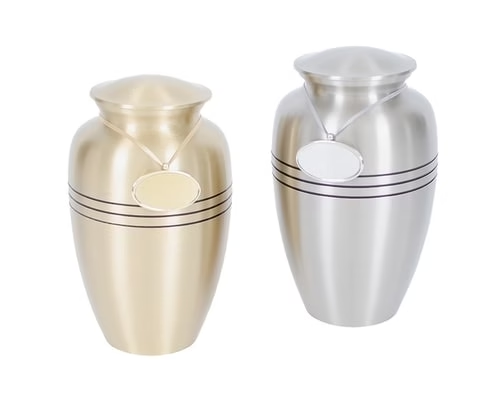
- Brass – Common for decorative urns
- Wood – Warm, natural look
- Ceramic – Artistic, customizable
- Biodegradable materials – Designed for green burial or water scattering
For families purchasing a granite headstone or cemetery monument, a granite urn creates a unified memorial aesthetic. Granite urns also withstand burial conditions and outdoor exposure.
Step 4: Consider Personalization Options
A meaningful urn reflects the personality, values, and life story of your loved one.
Personalization options may include:
- Engraved names and dates
- Custom inscriptions
- Military emblems
- Religious symbols
- Floral or scenic etchings
- Photo engraving
- Custom artwork
Some families prefer minimalist designs. Others want detailed memorial engraving that matches their cemetery monument.
If you are working with a monument company for a custom headstone in Maryland or Pennsylvania, you can coordinate engraving styles between the urn and the memorial marker.
Step 5: Match the Urn to Cultural and Religious Traditions
Different traditions have unique requirements. Catholic cemeteries may have burial or columbarium guidelines. Jewish cemeteries often have specific burial customs. Military honors may require coordination with veterans’ memorial sections. Green burials may require biodegradable urns.
Families in Washington DC and the Mid-Atlantic region often have multi-generational cemetery plots. Choosing an urn that aligns with family monuments can preserve continuity.
Step 6: Understand Cemetery Regulations
Before finalizing your selection, confirm cemetery policies:
- Is an urn vault required?
- Are certain materials prohibited?
- Are specific dimensions mandated?
- Does the cemetery allow above-ground urn monuments?
- Is engraving restricted?
Regulations vary widely. Tegeler Monument Company works closely with cemeteries to ensure compliance before installation of headstones, monuments, and cremation memorials.
Step 7: Balance Budget and Quality
Urn pricing depends on material, craftsmanship, customization, engraving complexity, and size. While cost matters, families often regret choosing solely on price. An urn is a permanent memorial. High-quality granite or bronze options offer durability and long-term value.
If you are also purchasing a custom headstone, flat grave marker, or family monument, bundling services with a monument company may streamline costs and coordination.
Step 8: Coordinate With a Monument or Headstone
Many families overlook how the urn and cemetery marker work together.
If burial is planned:
- Ensure urn dimensions align with burial space.
- Confirm monument installation timing.
- Coordinate engraving styles.
- Choose complementary materials.
For example:
- A gray granite headstone pairs well with a matching granite urn.
- A bronze memorial marker complements a bronze cremation urn.
- A companion monument may allow integrated cremation space.
Emotional Considerations
Choosing an urn can feel overwhelming because it comes at a time when you’re already carrying grief, logistics, and time-sensitive decisions. Many families experience decision fatigue. Everything starts to blur together after paperwork, phone calls, and conversations with relatives. It’s also common to feel uncertain about what your loved one “would have wanted,” especially if cremation plans or memorial preferences were never discussed. That uncertainty can make even small choices feel heavy, as if the urn has to represent every part of a life all at once.
When possible, give yourself permission to slow down. Unless there is a strict deadline for a service or cemetery placement, you often have more time than it feels like you do in the moment. Taking a day or two to revisit your options can reduce pressure and help you make a choice that feels steady rather than rushed. Many families also find that seeing urns in person – holding them, comparing finishes, reading engraving styles, and viewing sizes side-by-side – brings immediate clarity. A photo online can’t always show scale, weight, texture, or how “warm” a material feels. In person, people often have a quick emotional recognition: this one feels right.
Frequently Asked Questions
Do I need to buy an urn from the funeral home?
No. You may purchase an urn from a monument company or other provider. Federal regulations allow families to use third-party urns.
Can I bury an urn in an existing family plot?
Often yes, but confirm with the cemetery. Additional documentation or burial vaults may be required.
How long does engraving take?
Custom engraving timelines vary but often range from 1–4 weeks depending on design complexity.
Can cremated remains be buried under an existing headstone?
In many cases, yes. Some cemeteries allow secondary interments within existing plots.
Can I change the urn later if I decide on something different?
Yes. Cremated remains can be transferred from one urn to another at any time, provided it is done carefully and respectfully. Some families initially choose a temporary or simpler urn and later upgrade to a permanent granite, bronze, or custom-engraved urn once they have had more time to consider their options. If burial has already occurred, however, cemetery regulations may apply to disinterment, so it’s important to confirm policies beforehand.
Are urns required to match the headstone or monument?
No, but many families prefer coordination for aesthetic continuity. Matching materials, such as granite with a granite headstone or bronze with a bronze memorial marker, can create a unified and timeless appearance. If the urn will be buried beneath a grave marker, matching may not be visible but can still feel meaningful. A monument company can help ensure engraving styles and finishes complement one another.
Choosing a Local Monument Company Matters
When selecting an urn, working with a local monument company offers advantages:
- Knowledge of cemetery regulations in Maryland, DC, VA, and PA
- Coordination with monument installation
- Access to granite and bronze memorial products
- Professional engraving services
- On-site consultation
Local expertise ensures your urn selection aligns with burial requirements and long-term memorial plans.
Final Thoughts: Honoring a Life With Care
Choosing the right urn is not simply about size or material. It is about preserving memory in a way that feels meaningful, appropriate, and lasting. Families throughout Maryland, Washington DC, Virginia, and Pennsylvania trust experienced monument professionals to guide them with compassion and clarity. An urn is a permanent tribute. With thoughtful planning and expert guidance, you can create a memorial that honors your loved one’s legacy for generations to come.
If you are planning a cremation memorial or need guidance choosing the right urn, professional support can make the process clearer and more meaningful during a difficult time. Contact us to get started today.
Comments are closed