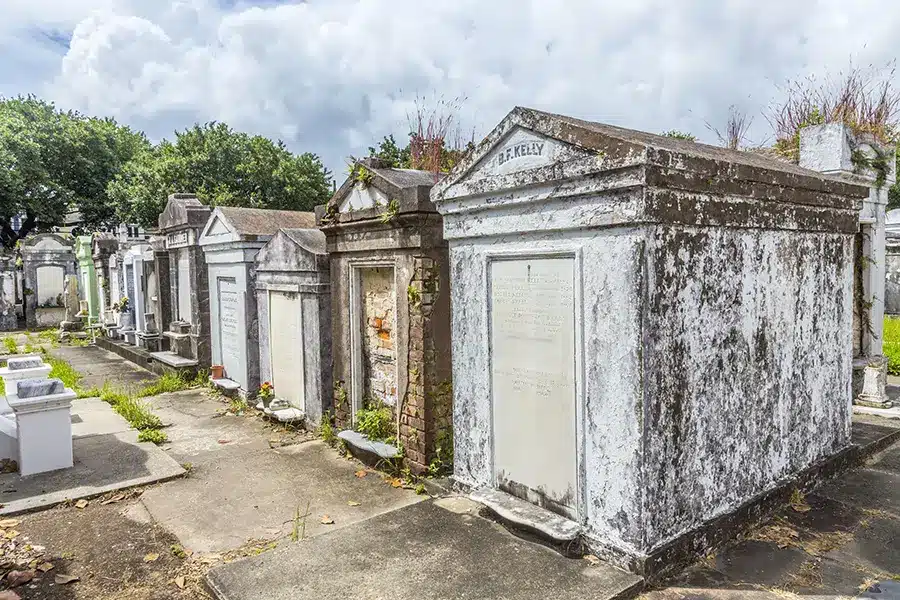
Families sometimes visit cemeteries and notice that a loved one’s headstone or monument has started to show signs of age. Cracks, discoloration, sinking foundations, chipped edges, faded lettering, and biological growth can all affect the appearance and stability of memorials over time. One of the most common questions families ask is: how much does monument restoration or repair cost?
The answer depends on several factors, including the type of damage, the monument material, the age of the memorial, and the amount of restoration work required. Understanding what impacts pricing can help families make informed decisions while preserving the dignity and appearance of a loved one’s memorial for future generations.
Why Older Headstones and Monuments Need Restoration
Even high-quality granite and bronze memorials experience wear over decades of exposure to weather, moisture, soil movement, pollution, and changing cemetery conditions.
Older monuments may develop issues such as:
- Leaning or unstable foundations
- Cracked granite or stone
- Broken bases or separated sections
- Staining or discoloration
- Moss, lichen, or biological growth
- Faded or difficult-to-read inscriptions
- Weather erosion
- Damaged bronze components
- Sunken grave markers
- Chipped corners or edges
Many older cemeteries throughout the Mid-Atlantic region contain monuments that are several decades or even more than a century old. Freeze-thaw cycles common in the Northeast can accelerate deterioration, especially for older marble or limestone markers.
What Affects the Cost of Monument Restoration?
The cost of restoring a monument depends on the scope of work required. Minor cleaning services may be relatively inexpensive, while extensive structural repairs or monument rebuilding can involve more labor and specialized equipment.
Type of Monument Material
Different materials require different restoration methods. Common monument materials include:
- Granite
- Marble
- Limestone
- Bronze
- Slate
- Sandstone
Granite is generally more durable and easier to restore than softer materials like marble or limestone, which are more vulnerable to erosion and cracking. Bronze memorials may require refinishing, oxidation removal, or replacement mounting hardware.
Extent of the Damage
Small cosmetic issues are usually less expensive to address than structural problems. For example, light cleaning typically costs less than resetting a leaning monument. Re-engraving lettering costs less than rebuilding a broken memorial, and minor chip repair costs less than replacing damaged sections. If a monument has multiple issues, restoration may involve several services combined into one project.
Monument Size and Weight
Larger upright monuments often require additional labor, lifting equipment, and transportation considerations. This can impact pricing for:
- Upright headstones
- Family monuments
- Mausoleum markers
- Large slant memorials
- Oversized granite bases
Heavy monuments may require specialized setting equipment to safely complete repairs.
Cemetery Accessibility
Some cemeteries are easier to work within than others. Factors that may affect labor costs include:
- Tight spacing between graves
- Limited vehicle access
- Uneven terrain
- Cemetery regulations
- Restricted work hours
- Historic cemetery preservation requirements
Historic cemeteries in areas throughout Baltimore, Washington, and Northern Virginia sometimes require extra care and approval processes before restoration work can begin.
Common Monument Restoration Services
Different restoration services carry different pricing structures depending on the labor and materials involved.
Monument Cleaning
Professional monument cleaning removes dirt, algae, mildew, lichen, and staining without damaging the stone. Proper cleaning is extremely important because harsh chemicals or pressure washing can permanently damage older memorials.
Professional cleaning may include:
- Biological growth removal
- Gentle stone-safe cleaning solutions
- Deep surface cleaning
- Bronze cleaning and waxing
- Stain treatment
Headstone Leveling and Resetting
Over time, grave markers and monuments may sink or tilt due to soil movement.
Resetting services often involve:
- Excavation around the monument
- Foundation stabilization
- Re-leveling the stone
- Reinstalling the monument securely
Leaning monuments should be repaired promptly because instability can worsen over time and potentially create safety concerns.
Inscription Recutting and Letter Restoration
Older inscriptions can become difficult to read due to weathering and erosion.
Restoration specialists may:
- Recut engraved lettering
- Restore faded dates and names
- Repaint engraved text
- Improve readability while preserving original design integrity
This is especially common for older cemetery markers where family members want to preserve historical information.
Crack and Chip Repair
Stone repair techniques may help address:
- Cracks
- Surface fractures
- Broken corners
- Minor impact damage
Some repairs can be nearly invisible, while others may still show slight evidence of restoration depending on the severity of the damage.
Bronze Memorial Restoration
Bronze plaques and markers often require specialized care to address:
- Oxidation
- Green or black discoloration
- Surface corrosion
- Loose mounting hardware
- Protective coating deterioration
Proper restoration helps preserve appearance while protecting the metal from future deterioration.
Is Monument Restoration Worth It?
For many families, restoration is about more than appearance. It is about preserving family history, honoring loved ones, and maintaining a respectful memorial space. Restoration can also help prevent additional deterioration, improve cemetery safety, and preserve historical monuments. In many cases, repairing an older monument is significantly more affordable than replacing it entirely.
When Replacement May Be Recommended
While many headstones and memorials can be restored successfully, there are situations where replacement may be the safer, more practical, or more cost-effective long-term solution. An experienced monument company can evaluate the condition of the memorial and help families determine whether restoration or replacement makes the most sense.
Replacement may be recommended when:
- The stone has severe structural failure
- Large sections are missing
- Erosion has destroyed inscriptions completely
- The monument cannot be stabilized safely
- Repairs would exceed replacement costs
Severe Structural Damage
Some older monuments develop deep internal cracks, broken foundations, or major structural weaknesses that compromise their stability. In these situations, repairs may only provide a temporary solution. If a monument is at risk of collapsing, separating, or continuing to deteriorate rapidly, replacement may offer a safer and more durable option for the future.
Extensive Missing or Broken Sections
If large portions of a monument have broken away or gone missing over time, restoration can become extremely difficult. Matching older stone materials, colors, finishes, and carving styles is not always possible, especially for historic memorials that are several decades old. In some cases, replacement allows families to preserve the original design style while creating a structurally sound memorial that will last for generations.
Inscriptions That Can No Longer Be Restored
Weather exposure, acid rain, biological growth, and decades of erosion can gradually wear away lettering and artwork. Once inscriptions become too shallow or damaged, there may not be enough remaining stone surface to safely recut the engraving. If names, dates, and important memorial details can no longer be restored legibly, families may choose replacement to preserve the information clearly and permanently.
Unsafe or Unstable Monuments
Leaning monuments, sinking grave markers, or unstable upright headstones can create serious safety concerns in cemeteries. While resetting and leveling services can often solve these issues, some older memorials have deteriorated foundations or weakened stone that cannot be stabilized reliably. In these cases, replacement may be necessary to ensure the monument remains secure.
When Repair Costs Become Excessive
Extensive restoration projects involving structural repair, resetting, cleaning, recutting, and replacement components can sometimes approach or exceed the cost of installing a new monument. When this happens, families may decide that replacement provides better long-term value, durability, and appearance.
A knowledgeable monument company can explain the pros and cons of both restoration and replacement honestly, helping families make a respectful decision that fits both their goals and budget.
Choosing a Monument Company in Maryland, DC, or Virginia
Not all stone repair work is the same. Monument restoration requires specialized knowledge of cemetery regulations, stone materials, preservation techniques, and monument setting. When choosing a restoration provider, families should look for:
- Experience with cemetery monument restoration
- Knowledge of granite and bronze memorials
- Proper monument lifting equipment
- Familiarity with local cemetery regulations
- Careful cleaning techniques
- Transparent estimates
- Regional experience throughout Maryland, DC, and Virginia
Working with an experienced monument company helps ensure repairs are performed respectfully and correctly.
Restore and Preserve Your Loved One’s Memorial
At Tegeler Monument Company, we help families throughout Maryland, Washington DC, Virginia, and surrounding areas restore and preserve aging headstones, grave markers, memorials, and monuments with professional care and attention to detail. Whether your family needs monument cleaning, headstone leveling, inscription restoration, granite repair, or guidance on replacing a damaged memorial, our team is here to help. Contact Tegeler Monument Company today to discuss monument restoration services and receive guidance on preserving your loved one’s memorial for generations to come.
Comments are closed