
When families choose cremation, they often still want a permanent, dignified place to honor and remember their loved one. Mausoleums provide that sense of permanence, tradition, and reverence, just as burial plots do. One of the most common questions families ask is how urns are actually placed inside mausoleums and what options are available for memorialization.
At Tegeler Monument Company, families across Maryland, Washington DC, and Virginia frequently seek guidance on mausoleum placement, cremation memorials, and the best way to create a lasting tribute. Understanding the process can help you make confident, informed decisions during a difficult time.
What Is a Mausoleum?
A mausoleum is an above-ground structure designed to house human remains. While traditionally associated with casket burials, many modern mausoleums also include dedicated spaces for cremated remains.
These structures can be:
- Public (community mausoleums located in cemeteries)
- Private (family mausoleums built for multiple generations)
Within these structures, cremated remains are typically placed in niches, which are specially designed compartments for urns.
Where Are Urns Placed in a Mausoleum?
Columbarium Niches
The most common method for placing urns in a mausoleum is within a columbarium niche. A columbarium is a structure, often part of a mausoleum, that contains rows of small compartments. Each compartment is designed to hold one or more urns.
Key features of columbarium niches:
- Usually sealed with a stone or glass front
- Can be located indoors or outdoors
- Often arranged in walls, corridors, or garden settings
Families in Maryland, DC, and Virginia often choose niches because they provide a clean, protected environment, easy access for visitation, and a visible, personalized memorial space.
Step-by-Step: How Urns Are Placed in Mausoleums
Understanding the process can help ease concerns and provide clarity.
1. Selection of the Niche
Families begin by choosing a niche location within the mausoleum. Factors may include:
- Height and visibility
- Indoor vs. outdoor placement
- Proximity to walkways or seating areas
- Lighting conditions (natural light vs. interior lighting)
- Level of privacy or foot traffic in the area
- View or surroundings (garden views, chapel proximity, etc.)
- Ease of access for elderly or mobility-limited visitors
- Availability of companion or family niches nearby
- Cemetery section or mausoleum wing designation
- Future expansion options for additional urn placements
- Type of niche front (glass-front vs. granite or marble panel)
Premium niches, such as those at eye level, are often in higher demand.
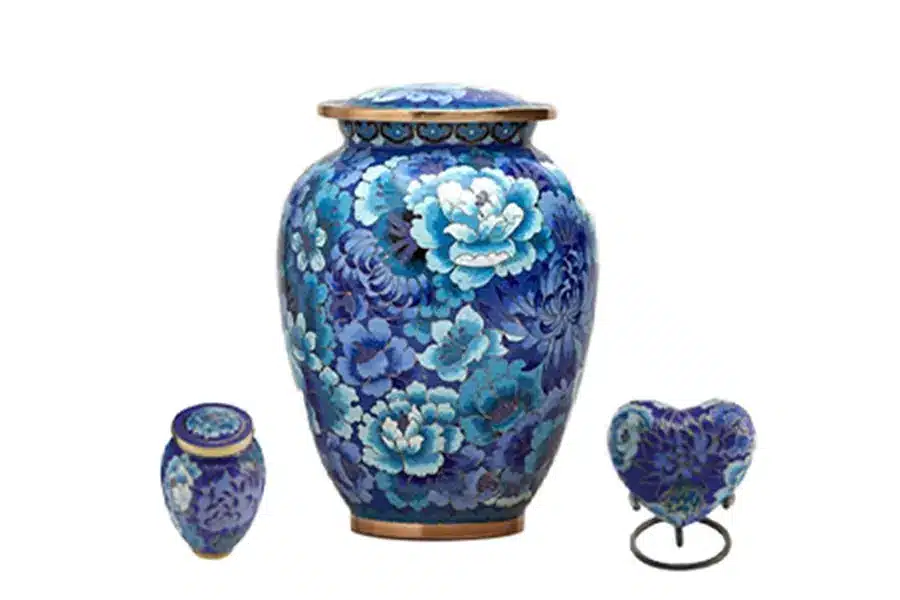
2. Choosing the Urn
The urn must fit within the niche dimensions. Most niches are standardized, but sizes can vary.
Common urn materials include:
- Marble
- Granite
- Metal (bronze, brass)
- Ceramic or glass
Selecting a durable urn is especially important for long-term preservation in mausoleum environments.
3. Placement of the Urn
Once the niche is selected and the urn is prepared, cemetery staff or monument professionals carefully place the urn inside the niche. This step typically includes opening the niche front (stone panel or glass door), positioning the urn securely inside, and prioritizing proper alignment for display (if visible).
4. Sealing the Niche
After placement, the niche is sealed.
This may involve:
- A granite or marble panel
- A glass front for visible display
- Mechanical or adhesive sealing methods
- Use of gasket systems to create an airtight seal
- Professional alignment to ensure a flush, secure fit
- Compliance with cemetery regulations and installation standards
- Optional tamper-resistant hardware for added security
The sealing process protects the urn from environmental exposure and ensures permanence.
5. Inscription and Memorialization
The niche front is then engraved or customized with memorial details. Typical inscriptions include:
- Name of the deceased
- Birth and death dates
- Religious symbols or emblems
- Short messages or epitaphs
This step is similar to designing a headstone, gravestone, or monument, ensuring continuity with traditional memorial practices.
Types of Mausoleum Urn Placement Options
Families have several options depending on their preferences and budget.
Single Niches
- Designed for one urn
- Most common and affordable option
Companion Niches
- Hold two urns
- Ideal for couples or close family members
Family Niches
- Larger compartments for multiple urns
- Suitable for long-term family memorial planning
Indoor vs. Outdoor Mausoleum Niches
Indoor Mausoleums
Indoor mausoleums offer a controlled, protected environment for urn placement. These spaces are typically climate-controlled, helping to preserve the integrity of the urn and surrounding materials over time. They are fully shielded from weather conditions such as rain, snow, and temperature fluctuations, which provides added peace of mind for families. In addition, indoor mausoleums often have a quiet, chapel-like atmosphere, creating a serene and reflective space for visitation and remembrance.
Outdoor Columbariums
Outdoor columbariums, on the other hand, are located in open-air settings such as gardens or memorial parks. These spaces provide a natural, peaceful environment where visitors can connect with nature while honoring their loved one. Many families appreciate the beauty of landscaped surroundings, seasonal changes, and fresh air. Outdoor options are also often more affordable than indoor mausoleum niches, making them a practical and meaningful choice for long-term memorialization.
Both options are widely available in cemeteries throughout Maryland, Washington DC, and Northern Virginia.
Can Urns Be Displayed in Mausoleums?
Yes, many niches allow for visible display.
Glass-Front Niches
Glass-front niches provide a unique opportunity to showcase the urn and create a more intimate memorial space. These niches allow families to display the urn itself, along with photos, small mementos, or symbolic items that reflect the life and personality of their loved one. This option offers a higher level of personalization and can make the space feel more connected and expressive.
Granite or Marble Front Niches
Granite or marble front niches offer a more traditional and timeless approach. These niches are fully sealed and non-visible, meaning the urn is securely enclosed behind a solid panel. The focus shifts to engraved memorialization, with names, dates, and meaningful inscriptions etched into the surface. This style is often preferred for its classic appearance, durability, and sense of permanence.
Personalization Options for Mausoleum Niches
Just like headstones and grave markers, mausoleum niches can be customized.
Engraving Options
- Names and dates
- Religious symbols (crosses, angels, etc.)
- Military insignia
- Custom artwork
Add-On Features
- Bronze plaques
- Ceramic photo portraits
- Vase attachments (in some cases)
Personalization ensures the memorial reflects the individual’s life and legacy.
How Mausoleum Placement Compares to Traditional Burial
Families often compare cremation niches with traditional burial options like graves and headstones.
Mausoleum Urn Placement
Mausoleum urn placement is an above-ground option that offers a clean, structured, and space-efficient alternative to traditional burial. Because it does not require a full burial plot, it typically uses less land and can be easier to maintain over time. Many families also appreciate the flexibility it provides, including options for indoor or outdoor placement, companion niches, and future family arrangements within the same structure.
Traditional Burial with Headstones or Gravestones
Traditional burial involves placing the casket in the ground within a designated burial plot. This option requires purchasing cemetery space and installing a headstone, gravestone, or monument at the gravesite. For many families, this remains a meaningful and familiar choice, offering a physical place to visit and a long-standing tradition of memorialization that has been practiced for generations.
Both options offer meaningful memorialization. Many families in the MD, DC, and VA region choose based on personal, religious, or financial considerations.
Cost Considerations
The cost of placing an urn in a mausoleum varies depending on several factors, like:
- Location (Maryland, DC, and Virginia pricing may differ by cemetery)
- Type of niche (single vs. companion)
- Indoor vs. outdoor placement
- Customization and engraving
In general, mausoleum niches can range from a few thousand dollars for basic options to significantly more for premium locations and custom memorials/ Working with an experienced monument company ensures transparency and guidance throughout the process.
Why Families Choose Mausoleum Placement
There are several reasons families opt for mausoleum niches for cremated remains, such as:
- Permanent memorial space similar to a headstone or monument
- Ease of visitation with accessible locations
- Protection from weather and ground conditions
- Aesthetic appeal with clean, structured environments
- Family grouping options for future planning
For many, it offers the best of both worlds – cremation flexibility with traditional memorial permanence.
The Role of Monument Companies in Mausoleum Placement
While cemeteries manage niche spaces, monument companies play a critical role in designing and engraving niche covers and creating custom memorial plaques. We can also assist with urn selection and ensuring consistency with existing headstones or family monuments. This is especially important for families who want a cohesive memorial across multiple generations.
Contact Us
If you are planning a mausoleum placement or exploring cremation memorial options, the team at Tegeler Monument Company is here to help. We know how important it is to create a meaningful, lasting tribute, and we guide families through every step, from selecting the right urn to designing a personalized memorial.
Contact us today to discuss mausoleum niches, headstones, gravestones, and custom monument solutions in Maryland, Washington DC, and Virginia. Let us help you honor your loved one with care, dignity, and craftsmanship that will stand the test of time.
Comments are closed