Cemeteries hold history, love, and community memory. They are places where families return for generations, bringing flowers, sharing stories, and keeping lineage alive. We often think of burial grounds as permanent, but land is finite, and eventually space can run out. When that happens, cemeteries face difficult decisions about how to continue operating, how to honor those already interred and how to plan for future burials. Understanding what comes next is important for families planning ahead as well as for communities who value preservation. This article explores what really happens when a cemetery reaches full capacity, how burial practices adapt and what options remain for families who still hope to be placed near loved ones.
Why Cemeteries Eventually Reach Capacity
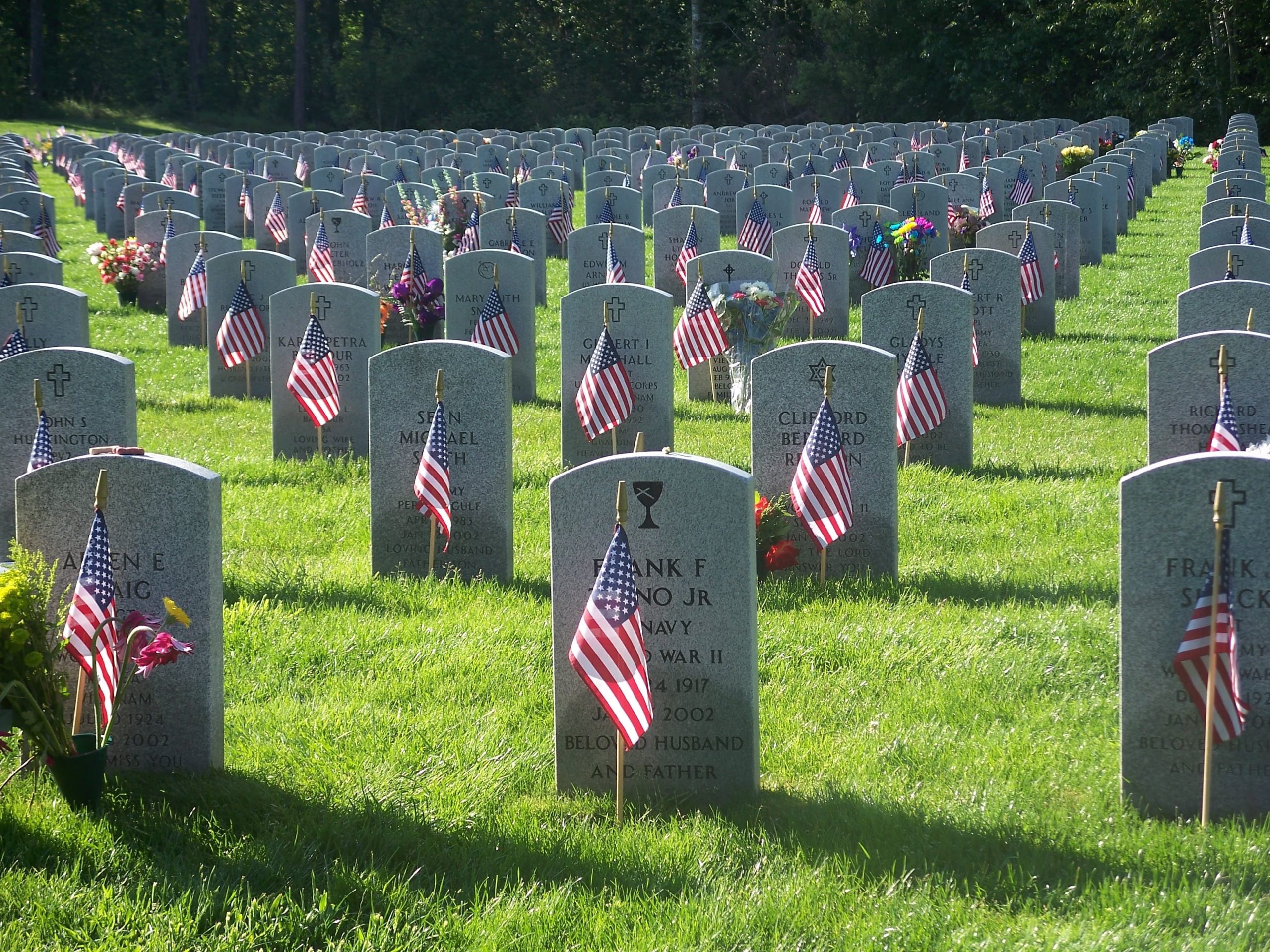
Cemeteries are built on fixed acreage. As years go on, more plots are purchased and fewer remain. A cemetery that once felt endless can suddenly begin to fill and once full traditional burials may no longer be possible. Reasons this happens include population growth, urban development, and long family lines all choosing the same burial site. Running out of space does not mean the cemetery closes, but it does change how it operates.
Main causes of space limitations
- High demand over many generations
- Growing populations in surrounding areas
- Limited land expansion options
- Natural barriers like roadways or development
- Strong community preference for traditional burial
Cemetery managers monitor plot availability closely, and many begin planning alternative burial options long before the final plot is sold.
Expanding Vertically Instead of Outward
When physical land expansion is not possible, cemeteries often look upward instead of outward. Vertical memorial structures are becoming increasingly common because they preserve land while allowing continued placement.
Popular forms of vertical expansion
- Mausoleums for full casket internment
- Columbarium walls for cremation urns
- Multi-level niche banks
- Indoor memorial spaces with temperature control
- Chapel style mausoleum complexes with communal visitation areas
Vertical structures allow cemeteries to serve many more families in a smaller footprint and ensure that the site can remain active for decades to come.
The Growing Role of Cremation When Space Is Limited
Cremation has risen significantly in the United States for both financial and space-related reasons. Cremated remains require much less room than full casket burials, making cremation a practical and sustainable solution in a full cemetery. In fact, according to the National Funeral Directors Association, the cremation rate in the U.S. surpassed 60 percent in recent years and continues to climb, largely due to cost savings and reduced land usage.
Why cremation helps conserve land is directly tied to space efficiency. Urns require far less room than traditional caskets, which means cemeteries can accommodate many more placements within the same area. In some locations cremation gardens are designed to hold thousands of individuals without the footprint of conventional grave layouts. Niche walls offer even greater density since they use only a small section of vertical space compared to ground plots. Families also have the option to share one plot for multiple urns allowing loved ones to remain together even when land is limited. Cremation further supports flexible and personalized memorial styles, giving families meaningful options without the long-term land demands of traditional burial.
Many cemeteries develop dedicated cremation gardens with walking paths, benches and beautifully landscaped areas as space becomes more valuable.
Relocation and Reuse Practices Around the World
While most American cemeteries treat burial as permanent, other regions around the world approach burial space differently based on land availability, population density, and cultural tradition. In countries where land is scarce and cemeteries have existed for centuries, it is more common for graves to be reused after a designated period of time. Once remains have naturally reduced, they may be respectfully transferred to ossuaries or charnel houses where bones are stored together in a collective memorial space. This allows the original burial plot to be used again for new interments, maintaining continuous community use of the same grounds.
In parts of Europe and Asia, graves are often leased for a set number of years rather than purchased outright. When the lease expires, families may renew the agreement or choose to have remains moved to a secondary location. Some historic churches and cathedrals contain underground crypts filled with centuries of carefully organized remains that were relocated to preserve space for future burials. Certain cultures incorporate rituals around the relocation process, treating the transition itself as a sacred act rather than an end to burial.
These practices highlight the global diversity in how societies handle burial and land usage, but they are rarely implemented in the United States. Here, burial is generally considered final, protected both legally and ethically. Families expect a permanent place to visit and remember loved ones, and cemetery management is built around the idea of long-term preservation rather than rotation of graves. For this reason, relocation typically occurs only under unavoidable circumstances such as environmental threats, redevelopment projects, or structural damage to historic sites. In those rare situations, remains are moved with great care, legal oversight, and family consultation to ensure the dignity of those interred is maintained.
When Cemeteries Are Surrounded With No Expansion Options
City cemeteries are often hemmed in by development, with roads, homes and commercial buildings on every side. Rural burial sites sometimes experience similar restrictions because surrounding acreage is privately owned or environmentally protected. When expansion is impossible, active burial sections may close, and the cemetery becomes focused on maintenance and preservation rather than new internments. Even after closure to new burials, a cemetery continues to hold deep meaning for families and the surrounding community.
The Increasing Interest in Green Burial Grounds
As cemetery space diminishes environmentally conscious alternatives have grown in popularity. Green burial sites use land more naturally without vaults or embalming. Graves blend into a landscape of trees meadows or woodland pathways rather than standing rows of stone.
Characteristics of green burial areas
- Biodegradable materials instead of vaults
- No embalming chemicals
- Natural vegetation instead of manicured lawns
- Spaces often reclaimed over time by nature
- Eco friendly option that preserves land
These burial grounds may hold thousands of graves without the rigid spatial requirements of traditional cemeteries. For families who value sustainability, green burial offers both beauty and long-term space flexibility.
How Maintenance Continues After Space Runs Out
Even when a cemetery is no longer accepting new burials, the responsibility of care does not end. Burial grounds are more than pieces of land. They are archives of family history, community identity, and cultural memory. Without ongoing maintenance, grass and weeds can overwhelm headstones, weather can erode inscriptions, and monuments may lean or sink over time. Names that once meant everything to a family can fade beneath moss and lichen. This gradual erosion may seem subtle, but within a few decades a cemetery with no scheduled upkeep can become almost unrecognizable.
Because of this, many cemeteries maintain long-term care programs even after plots are sold out. Grounds teams continue to manage the landscape, repair aging structures, and preserve the legibility of gravestones. Walkways must remain safe for visitors, trees require pruning to prevent storm damage, and fencing or gates may need reinforcement to protect the grounds. Maintenance keeps the cemetery peaceful and dignified so future generations can continue to visit and remember their loved ones.
Funding Challenges
Funding is an ongoing challenge for full cemeteries. Without revenue from plot sales, financial support must come from other sources. Some cemeteries establish perpetual care funds, ensuring long-term upkeep is supported through interest and investment rather than burial income. Others depend on donations from descendants, volunteer maintenance groups, or partnerships with local restoration organizations. In historic cemeteries preservation may even involve grants or community fundraising projects designed to protect landmarks that hold regional significance. Continued care is essential to honoring those already placed there, ensuring that even once full, a cemetery remains respected, tended, and connected to the living community.
Emotional Considerations for Families
Running out of space is not just a logistical challenge. It is also emotional. Families often want to be placed near parents, grandparents, siblings or spouses. When there are no available plots, that wish may be difficult to fulfill. Planning ahead helps avoid disappointment later and ensures loved ones rest where they hoped to.
Ways families can prepare
- Purchase plots early before availability changes
- Discuss burial preferences openly among relatives
- Explore cremation as an alternative
- Keep contact information updated with cemetery staff
Preparation now can prevent uncertainty down the road when cemeteries reach capacity.
Honoring Loved Ones Even After Space Is Gone
Although space may run out, families still have options for remembrance. Monuments memorial benches trees and cenotaphs (markers without remains) allow relatives to honor someone even when burial in the cemetery is not possible.
Meaningful memorial alternatives
- Dedicated cremation urn gardens
- Engraved plaques on memorial walls
- Family monuments with multiple inscriptions
- Tree plantings with personalized markers
- Shared or companion cremation placement
- Memorial benches placed in reflection areas
- Columbarium niches with custom engraving
- Granite or bronze name tablets for group remembrance
- Seasonal floral placement or perpetual flower programs
Memory can remain rooted in one place even if burial practices change.
Contact Tegeler Monument Company
If you are researching cemetery planning monument design or memorial options before space becomes limited, Tegeler Monument Company is here to assist your family. Our team offers guidance for headstones, memorials, family markers, and future burial planning. We can help you create a lasting tribute that reflects dignity, care, and connection for generations to come. To learn more or begin planning, call Tegeler Monument Company at 410-944-0300, or fill out our quick contact form, and a representative will reach out soon.
Comments are closed